

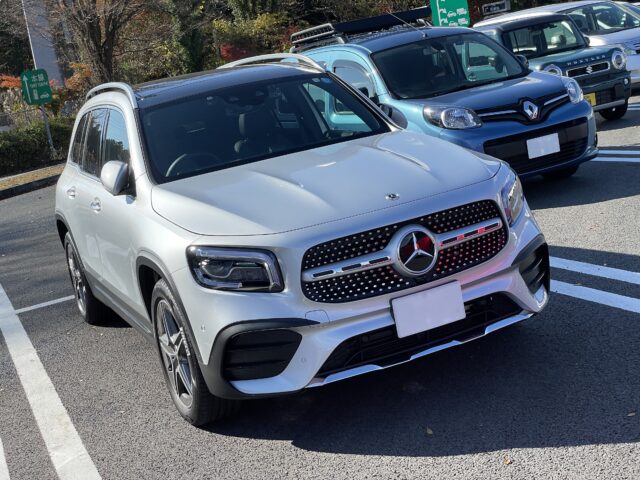
One Week with the GLB 200 d 4MATIC: First Impressions After 1,000 km
公開日:2022.12.11

コンテンツ
So, How Comfortable Is the Ride?
In short, drivers used to the soft suspension of Japanese cars may find it firm, while those accustomed to European cars are likely to find it comfortable. The suspension feels taut rather than soft and floaty, giving the GLB a distinctly sporty edge for an SUV. It feels a little more settled and supple than my brother’s GLA 200 d 4MATIC. It also handles body roll very well: even when one side of the road is higher than the other, the body rarely sways from side to side. In that respect, I think it rides more comfortably than some larger, more expensive SUVs. 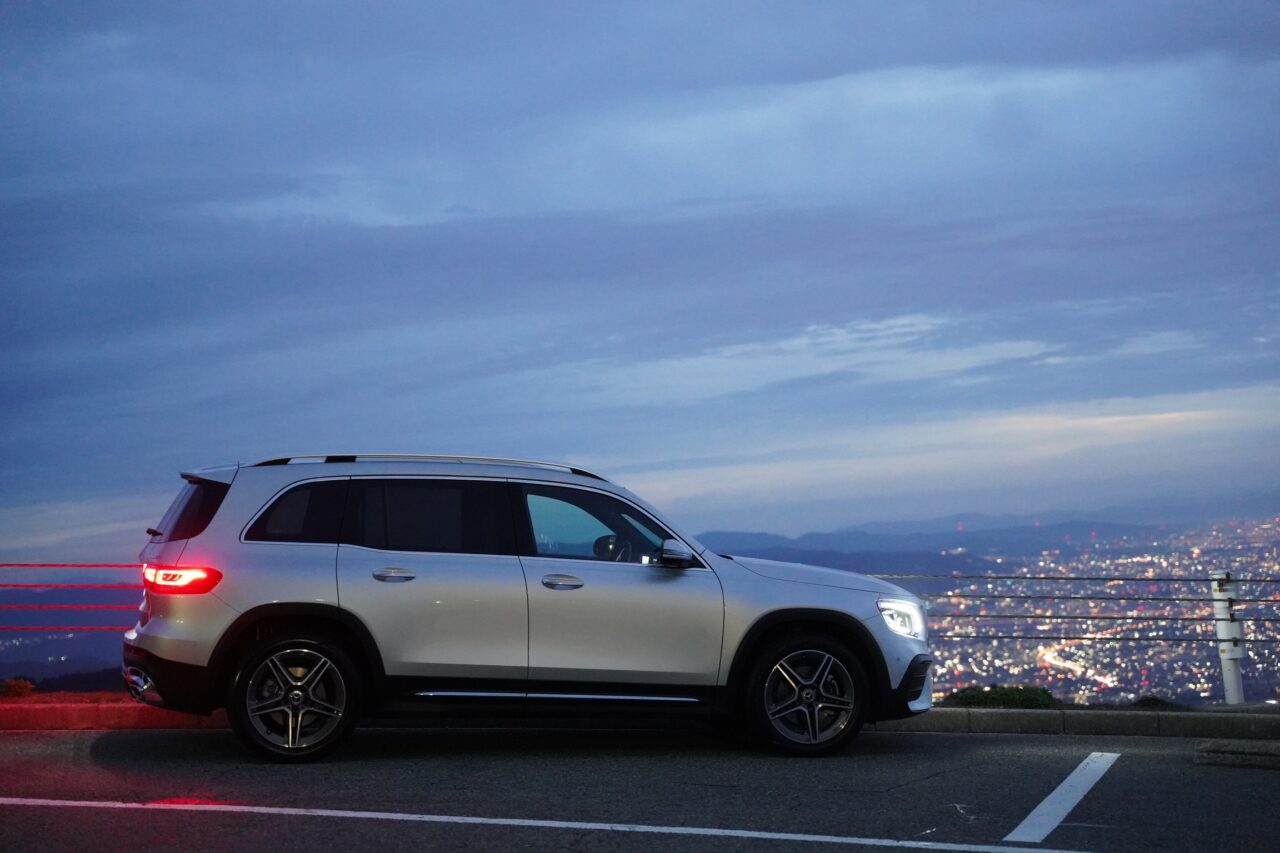 On the other hand, you’ll feel a little firmness over bumpy roads at around 50–60 km/h. It’s not especially noticeable in the front, but passengers in the rear may feel more vertical movement. That’s common to some extent in any SUV, so it’s not a major concern. Still, if you’re expecting a soft, gently floating ride, the GLB may not be for you. I noticed a slight side-to-side wobble in the rear of the GLA, but not in the GLB. If you’re concerned about ride comfort, you could try running the rear tires at the lower end of the recommended pressure range.
Tire Grip and Handling
Compared with larger, more premium SUVs such as the GLE, GLS, Cayenne, and Macan, the GLB can’t match their supple, refined tire feel. That said, it’s a polished performer for a vehicle based on a compact-class platform. It doesn’t quite have the refinement of a Volkswagen Golf, but it feels more upscale than most vehicles in its class. If the ride of a Cayenne or GLS is like fatty tuna—rich and indulgent—the GLB is more like high-quality lean tuna: lighter and simpler, but delicious, easy to enjoy, and never tiring. Handling is on the sporty side, too. For my impressions of how it performs on winding roads, see my earlier test-drive review. It’s a surprisingly capable car. 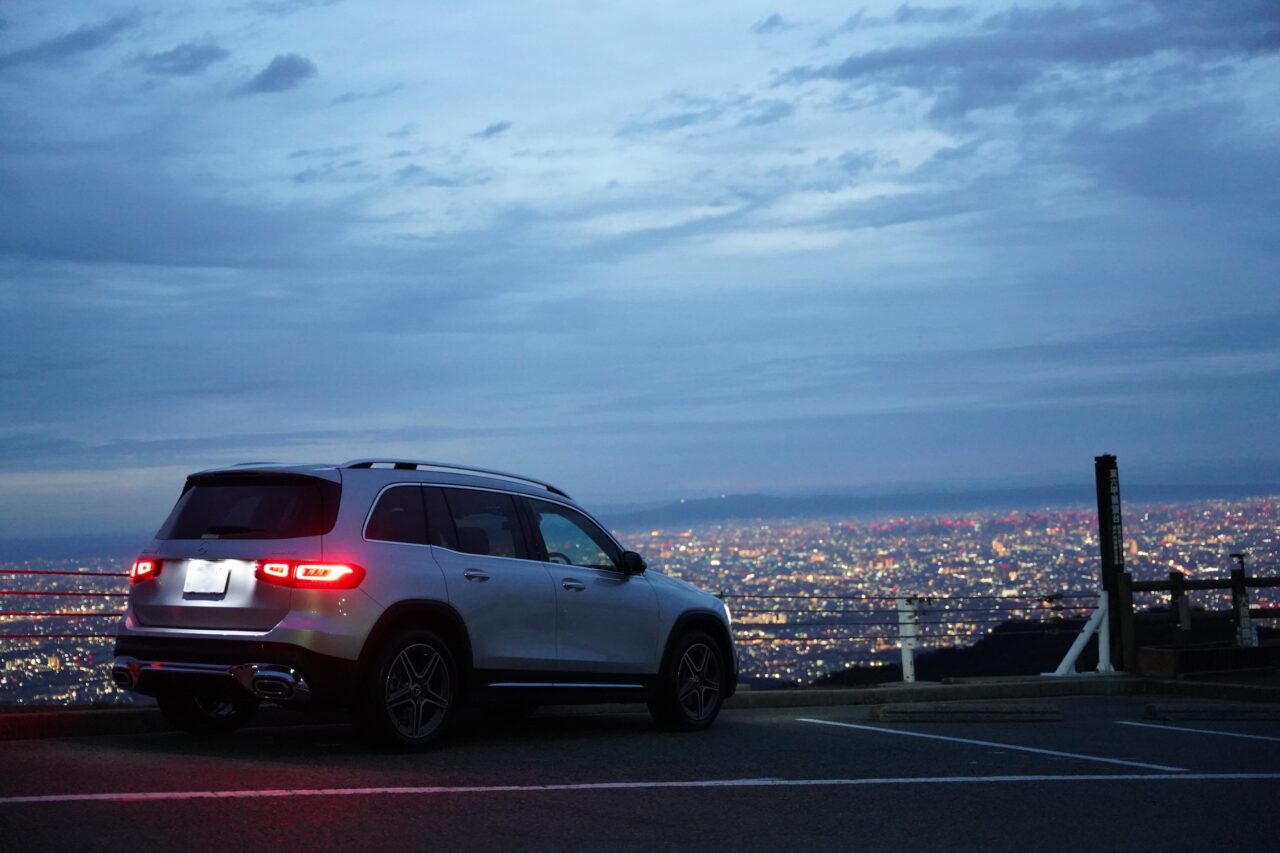 Our AMG Line GLB rides on 235/50 R19 tires: Pirelli P Zero PZ4 tires in Mercedes Original (MO) specification, also used on models such as the 911. They respond quickly and provide plenty of grip. The car stays planted through medium- and high-speed corners, without any hint of losing composure. On the other hand, I wonder if these tires may be a little too sharp for the GLB. The steering is rather sensitive around the center at highway speeds. That wouldn’t be an issue for a sports car, but the GLB is a family SUV. Given that it’s a Mercedes-Benz, I’d prefer a little more give around the center, which would make long highway drives more relaxed. The steering feel reminds me of the current, third-generation Macan.
On the Highway
Put simply, the faster you go, the more stable and comfortable the GLB feels. That’s true of European cars to varying degrees, but the GLB has something of the old-school Mercedes character, and it’s especially noticeable here. There’s a real difference between cruising at around 80 km/h and matching the pace of the passing lane on the Shin-Tomei Expressway. At lower speeds, you can feel a hint of firmness over bumps. As the speed builds, the ride quickly smooths out and the car comes alive. It becomes comfortable and composed. As noted earlier, I’d prefer less sensitivity around the steering’s center for a vehicle with this mission. But in terms of high-speed stability—and the ability to cover ground effortlessly without feeling rushed—it’s excellent. It may not match larger models for that supple, premium feel, but it’s clearly built for Autobahn speeds. 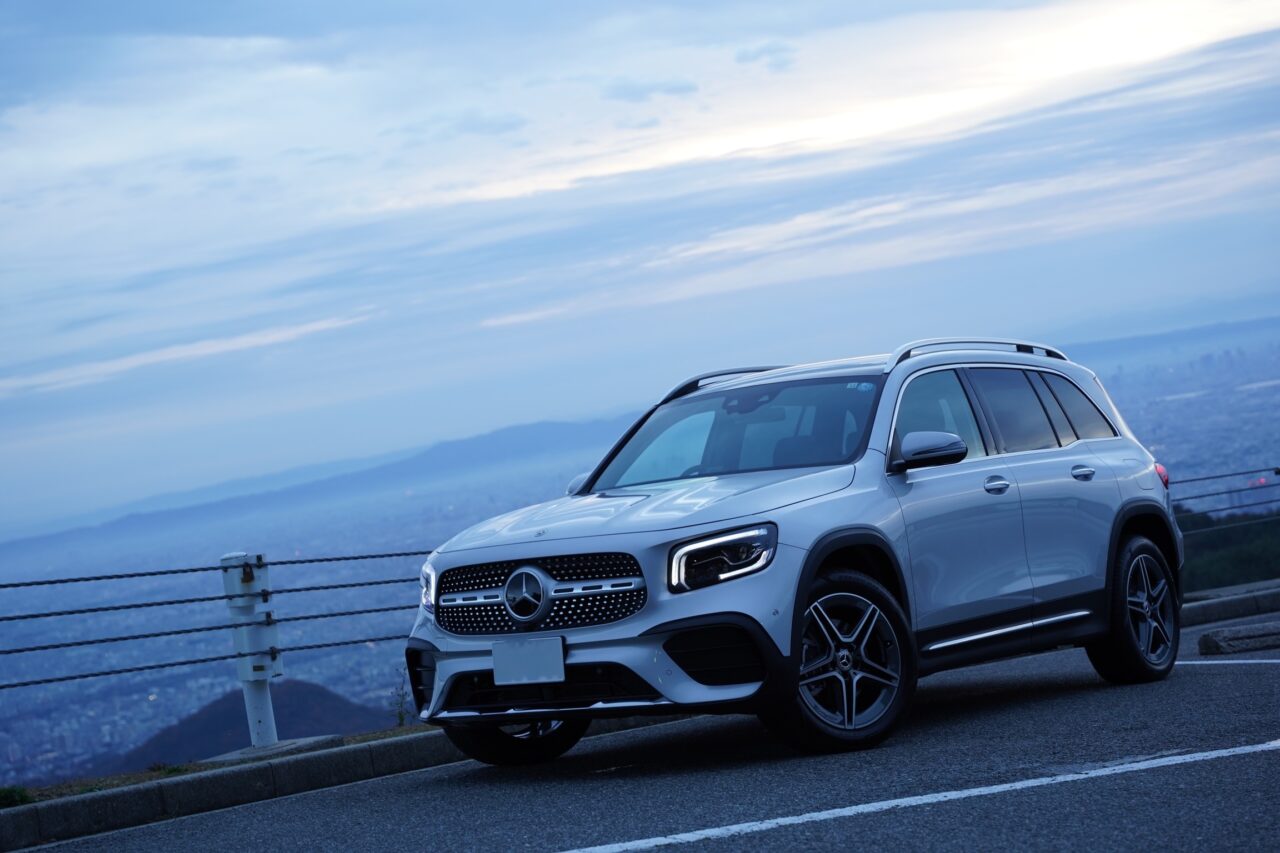 When accelerating to pass on the highway, the engine feels stronger than its 150 PS rating suggests. It’s not fast, of course, but the torque means you won’t feel short of power or uneasy when accelerating or merging. On the highway, using Active Distance Assist DISTRONIC to follow the car ahead and Active Steering Assist to handle the steering makes driving much easier and significantly reduces fatigue. Mercedes-Benz’s Active Steering Assist is highly regarded for keeping the car centered in its lane. Personally, though, I don’t think it’s quite at the level of a human driver yet. It works well in most situations, but occasionally the car drifts a little too far left, then steers right to correct itself, which can feel a bit jerky. The system makes impressively precise steering inputs, but the combination of 19-inch wheels and the Pirelli P Zeros’ sharp responses seems to make the overall balance a little off.
What Could Be Better About the GLB
As a daily driver for errands, commuting, and general transportation, the GLB scores highly, and I’m very satisfied with it. Still, there are a few things worth noting:
- The front side windows offer very little heat insulation.
- I’d like the transmission to shift up sooner.
- The tires feel more capable than the GLB really needs.
First, the front side windows offer almost no heat insulation. Even the December sun feels hot when it shines directly through the side windows, so I can imagine it becoming very uncomfortable in midsummer. The glass itself stays cool to the touch, but it doesn’t seem to block the heat effectively. Among the recent cars I’ve driven, this is by far the worst for heat insulation. I’m planning to have clear heat-rejecting film applied soon. 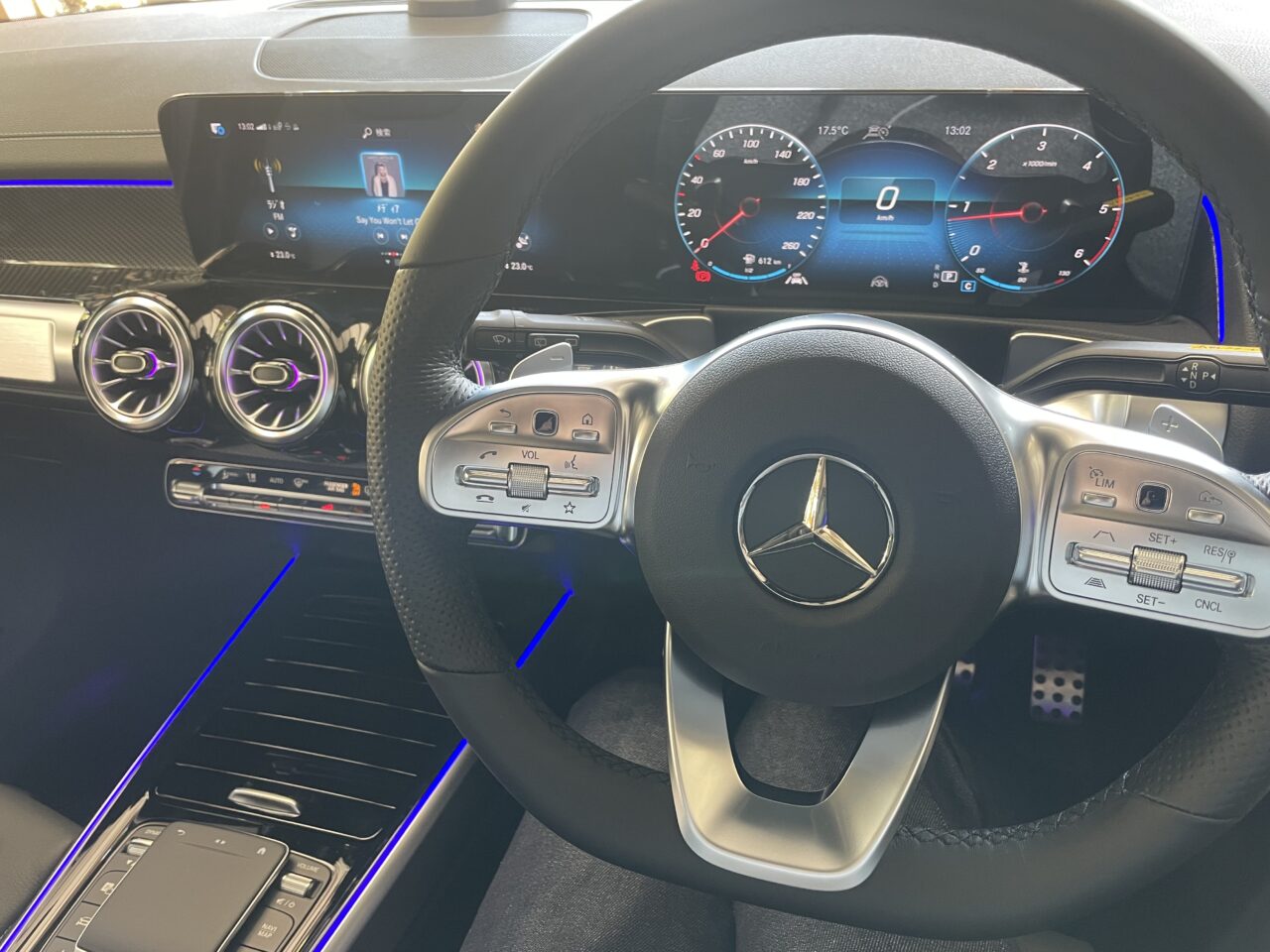 Second, despite the diesel engine delivering peak torque from 1,400 rpm, the transmission regularly holds first and second gears to around 2,500 rpm under acceleration. Maybe it’s still learning how I drive, but I wish it would shift up a little earlier and more smoothly. That would make the car quieter and more relaxing to drive. Third, the AMG Line tires may be more than the GLB needs. Their sharp responses don’t quite suit the car’s family-SUV brief. For Pirelli, I think the Cinturato range would be a better match; from Michelin, perhaps a Primacy. I may switch to Michelin all-season tires at some point.
Final Thoughts on the GLB
As you’d expect from a Mercedes-Benz, the GLB is the kind of car that lets the driver feel they don’t need to think about anything they don’t have to. That’s partly thanks to its effective cruise control and steering assistance, but more than anything, the entire driving experience is designed to put as little strain on the driver as possible. In a Porsche, for example, even an SUV can make you want to listen to the engine and enjoy the handling. You might find yourself looking forward to every bend, or pressing the accelerator when the road opens up. The driver naturally focuses on the pleasure of driving. 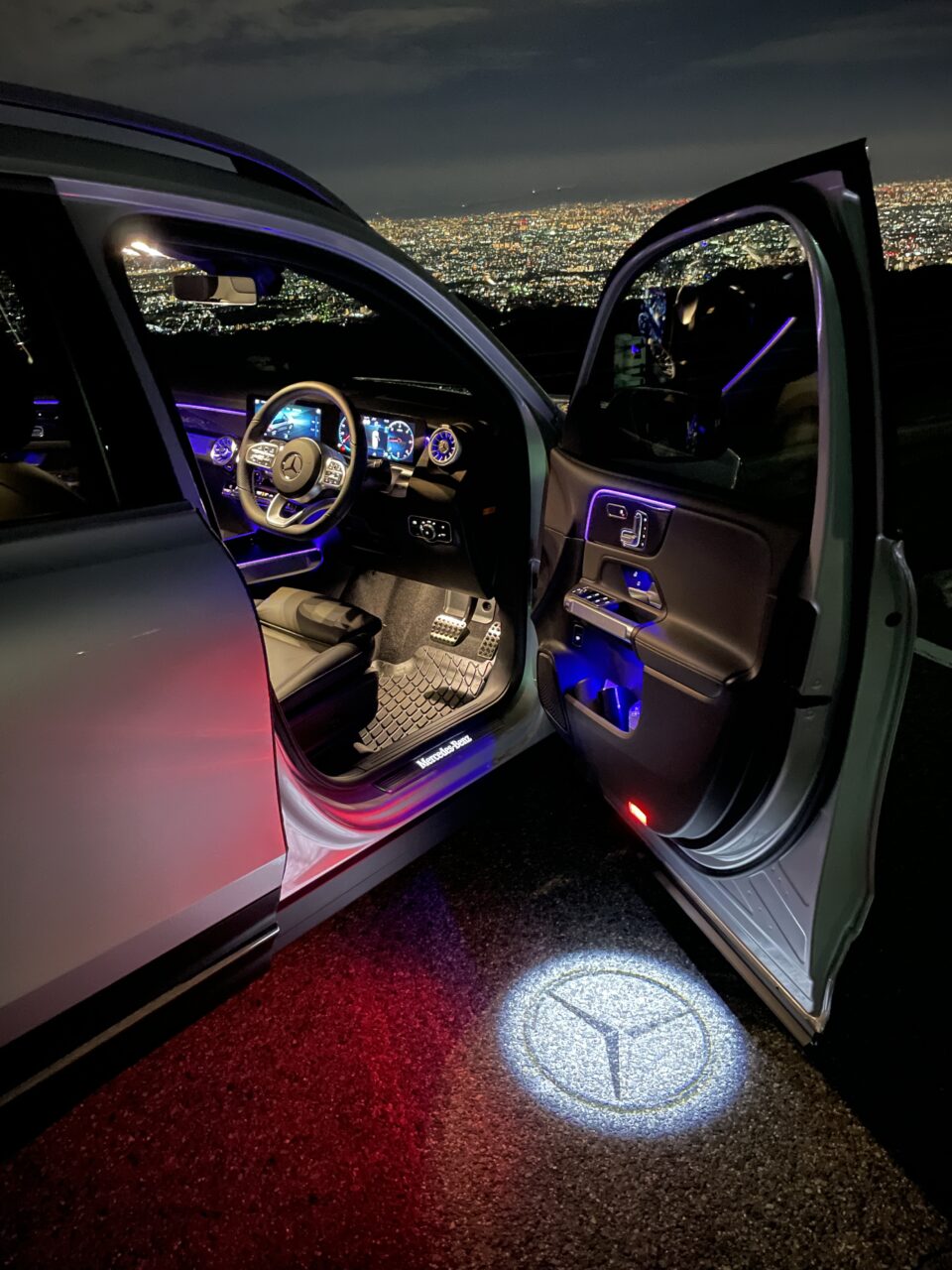 The GLB doesn’t prompt any of that. Its job is simply to get you to your destination, dependably. Put another way, the driver has very little to do. It’s the kind of car that makes you want to listen to music and enjoy the scenery. That makes it ideal for everyday driving and getting from place to place. The GLB is a car you can use as a practical tool—and that’s exactly where it shines.
このブログが気に入ったらフォローしてね!
Comment ( 0 )
Trackbacks are closed.
No comments yet.